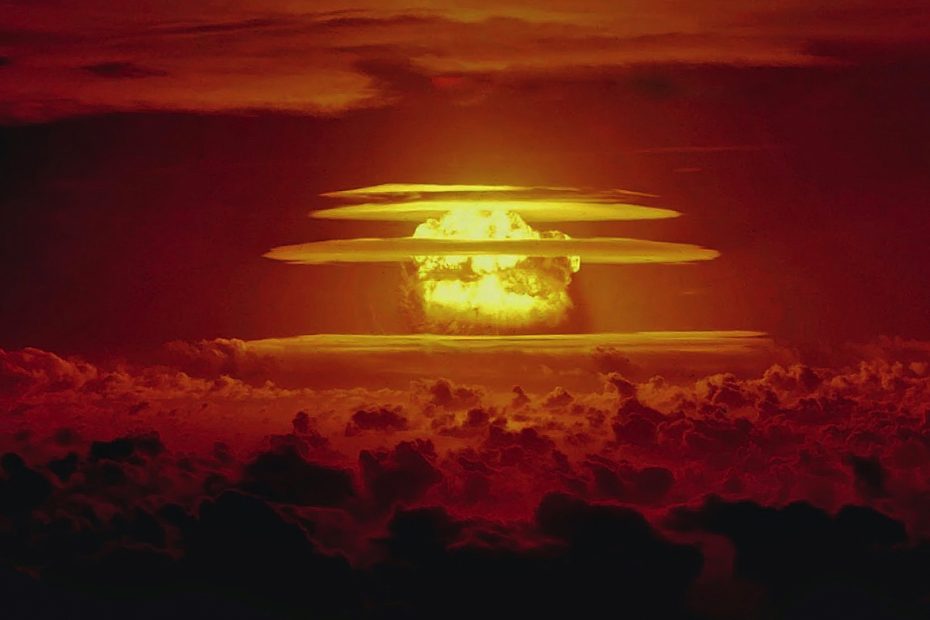
(Castle Bravo Nuclear Test, source: United States Department of Energy)
In September 1983, a Soviet nuclear early-warning system reported that the United States launched a nuclear missile headed for Moscow. That night, Stanislav Petrov, the officer on duty, disobeyed orders and prevented a nuclear retaliatory attack which would’ve led to an all-out nuclear war, killing billions. Petrov believed this was a false alarm and reasoned that the US would’ve launched hundreds of missiles to prevent the Soviets from retaliating. His decision-making likely saved half the world’s population. This leadership instinct isn’t exclusive to military strategy.
It doesn’t matter what setting you’re in: sports, business, or the battlefield— leaders are everywhere. They motivate departments to hit quarterly numbers, lead NBA teams to the finals, nurture growing families, and occasionally prevent all-out nuclear warfare. The list goes on, but what qualities make me, you, or anyone else a leader?
“Leader” is thrown around so often that it’s lost meaning, and that’s dangerous. Think about the ramifications of poor leadership. Leaders play a huge role in driving success, culture, and innovation. The wrong person in the driver’s seat isn’t just falling short; they’re actively playing the role of saboteur. Unfortunately, the skills don’t come with the title, but thankfully you don’t need the title to lead. Though nuanced, it’s crucial to define the parameters of leadership.
Pay close attention to the word ‘inspires.’ A successful leader inspires others to pursue actions they otherwise would not have. Barking orders in a position of power doesn’t make you a leader; it signals that you left your dunce cap at home. No, a leader elevates those around them by creating a vision and convincing others to turn it into a reality. The beauty of leadership is that there’s no set way of inspiring, rather, leaders can employ endless strategies to get the job done.
Through a series of blog posts, we’ll unpack the qualities of effective leaders by examining real-life stories of historical figures, athletes, innovators, and many more to cover the different facets and intricacies of leadership.
Because when it’s all said and done, leadership is not limited to a particular place and time. It’s a universal trait we should all strive to develop. Instead of throwing around this buzzword, let’s get back to the drawing board and explore what makes a leader.